
Shipping guide · Asia Pacific
Shipping from China and Hong Kong to India
India has two requirements that decide most import outcomes: the Importer Exporter Code, without which no commercial import is possible, and BIS certification, which covers a growing list of products and cannot be obtained quickly.
- Customs authority
- Central Board of Indirect Taxes and Customs (CBIC), through ICEGATE
- Key registration
- Importer Exporter Code (IEC), mandatory for commercial imports
- Product control
- BIS certification, required for a growing list of products
- Import tax
- Basic customs duty, social welfare surcharge, and IGST on the total
- Scrutiny
- Anti dumping duties apply to many Chinese origin goods
- Main entry points
- Nhava Sheva and Mundra by sea, Delhi and Mumbai by air
The IEC is straightforward: a one time registration with the Directorate General of Foreign Trade, tied to the importer PAN. Without it the shipment cannot be declared.
BIS is the harder gate. India has been steadily expanding the list of products that require certification from the Bureau of Indian Standards before they can be imported, covering electronics, appliances, steel, toys, chemicals and more. Certification involves factory registration and testing, takes months rather than weeks, and applies to the foreign manufacturer. Shipping a covered product without it means the goods cannot be cleared.
The tax structure is layered but coherent: basic customs duty, a social welfare surcharge on it, and IGST on the total. IGST is creditable for registered businesses, so the real cost is the duty and surcharge, but the cash requirement at clearance includes all of it.
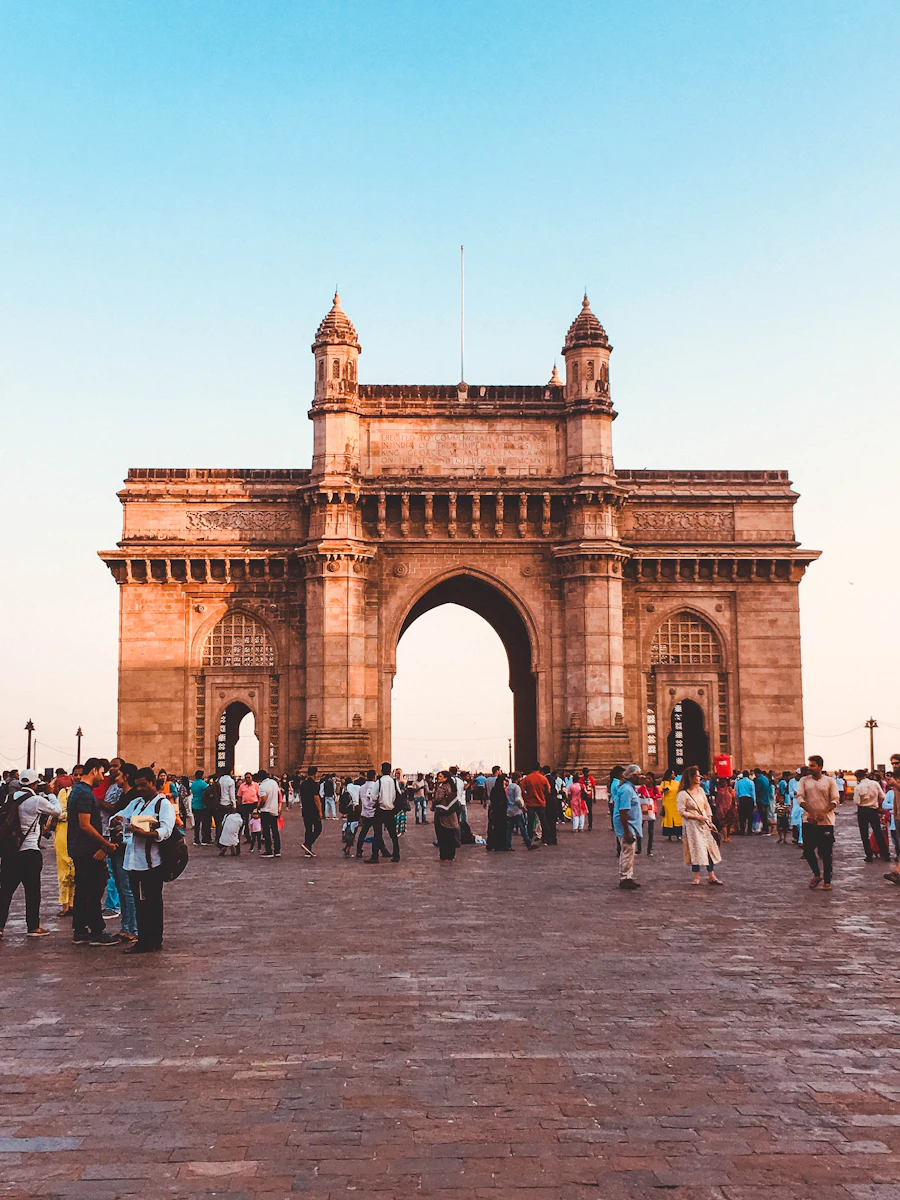
Where cargo lands
Main freight and distribution centres
Mumbai and Navi Mumbai
The commercial capital, with Nhava Sheva port alongside and the largest concentration of trade infrastructure.
Delhi NCR
The northern market and manufacturing belt, served by inland container depots and the main air gateway.
Chennai
The southern industrial centre, with strong automotive and electronics manufacturing and its own port.
Bengaluru and Hyderabad
Technology and pharmaceutical hubs, heavily air freight oriented.
Ahmedabad and Gujarat
The western industrial region, served by Mundra and Pipavav, and a major destination for imported inputs.
Sea freight
Ports of entry and what they mean for your cargo
Nhava Sheva (JNPT)
The largest container port in India, serving Mumbai and the western hinterland, with the widest choice of services.
Mundra
Modern, efficient private port in Gujarat, often faster than the state run alternatives and well connected to the north by rail.
Chennai and Kattupalli
The main southeastern gateways, serving the automotive and electronics industries of Tamil Nadu.
Kolkata and Haldia
Eastern ports serving the northeast and the Bangladesh and Nepal corridors, with draft limitations.
Cochin and Vizhinjam
Southern ports, with Vizhinjam adding deepwater transhipment capability on the southern tip.
Mundra and Nhava Sheva are the two realistic options for most western and northern cargo, and Mundra frequently clears faster. The rail connection north from Gujarat is well developed.
Inland container depots are central to Indian logistics. Cargo often moves under bond from the port to an ICD near the destination and clears there, which is usually more convenient than clearing at the port.
Free time and detention rules are strict and charges accumulate, so having the documentation and BIS position resolved before arrival matters commercially, not just administratively.
Air freight
Airports and when air is the right answer
Delhi (DEL)
The largest air cargo gateway, serving the northern market and manufacturing belt.
Mumbai (BOM)
Major cargo airport serving the commercial capital with full customs facilities.
Bengaluru (BLR) and Chennai (MAA)
Southern gateways serving the technology, pharmaceutical and automotive industries.
Hyderabad (HYD)
Strong pharmaceutical and high-value cargo handling.
India has extensive direct air capacity from Asia, so urgent cargo is well served. Clearance speed at the airport depends far more on documentation and licensing than on the flight.
For technology and pharmaceutical cargo, the specialised handling at Hyderabad and Bengaluru is a genuine advantage over general facilities.
Indicative transit times
How long the movement usually takes
- Sea FCL, South China to Nhava Sheva or MundraAround 14 to 22 days port to portShort by long haul standards. Add inland movement and clearance.
- Sea LCL, South China to IndiaAround 22 to 34 days door to doorGood consolidation frequency given the volume on this lane.
- Air freight, Hong Kong or South China to Delhi or MumbaiAround 3 to 7 days door to doorExtensive direct capacity, including handling and clearance.
- BIS certification lead timeMonths, not daysWhere required, this has to be started long before any shipping decision.
These ranges are indicative and exist to help you plan. Real transit time depends on the service, the season, the routing and the clearance itself, and we confirm it per shipment rather than publish it as a promise.
Customs
How clearance into India actually works
The competent authority is Central Board of Indirect Taxes and Customs (CBIC).
The Importer Exporter Code is mandatory and is issued by the DGFT against the importer PAN. It is a one time registration, and without it no commercial import can be declared.
BIS certification is the requirement that most often blocks Asian imports. The list of covered products has expanded steadily, and certification involves the foreign factory being registered and the product tested. It takes months, and it cannot be shortcut once the goods are already in transit.
The import tax stack is basic customs duty on the assessable value, a social welfare surcharge on that duty, and IGST on the whole. Registered businesses credit IGST against their GST liability, so the permanent cost is the duty and surcharge.
Anti dumping and safeguard duties apply to a significant range of Chinese origin goods, particularly chemicals, steel, and certain manufactured products. These can dwarf the basic duty rate and must be checked by classification and origin before pricing a shipment.
Indian customs assesses value carefully and applies valuation rules strictly. Related party transactions and unusually low values both attract scrutiny.
Documentation
What you need to have ready
Commercial invoice
Value, terms and a precise description. Indian customs cross checks classification against it closely.
Packing list
Piece counts, weights and dimensions per package.
Bill of Lading or Air Waybill
The transport contract and the release instrument.
Importer Exporter Code (IEC)
Mandatory registration for the importer.
BIS certification
Where the product is covered. Obtained by the foreign manufacturer in advance.
Bill of Entry
The Indian import declaration, filed electronically through ICEGATE.
Certificate of origin
Where a trade agreement applies, and relevant to anti dumping exposure.
Product specific approvals
FSSAI for food, CDSCO for medical devices, WPC for wireless equipment, and others by category.
Controlled and restricted goods
What gets stopped, and why
- BIS certification requirements cover a growing list of products and are enforced at the border. This is the most common reason an otherwise well planned Indian import fails.
- Anti dumping duties apply to many Chinese origin goods and can be substantial. They must be checked by classification, not assumed absent.
- Wireless and radio equipment requires WPC approval, and telecom equipment has its own certification regime.
- Food products require FSSAI registration and compliance with labelling and shelf life rules that are applied strictly at import.
- Medical devices and pharmaceuticals fall under CDSCO with their own licensing.
- Wood packaging must comply with ISPM 15.
Working with Velonex
What clients usually bring us in for on this lane
- Establishing whether a product needs BIS certification before any shipping decision is made, since discovering it in transit means the cargo cannot clear at all.
- Checking anti dumping exposure by classification and origin, which for Chinese origin goods can change the entire commercial case.
- Electronics, appliances and wireless equipment, where BIS, WPC and customs requirements all apply at once and have to be sequenced properly.
- Choosing between Nhava Sheva and Mundra, and between port clearance and an inland container depot near the destination.
- Companies with no Indian entity, who need an importer of record arrangement that satisfies the IEC and GST requirements.
Get a quote
Tell us what needs to move to India
We listen before we quote. Share the cargo, the deadline and the constraint, and we will come back with a route that accounts for all three, the documents it will need and a timeline we can stand behind.
Your details
Includes your name, company name and email address
Shipment route
Includes your pickup location and destination
Cargo type
Includes the type of cargo you are shipping
Special requirements
Includes a short note about your challenge
Timeline
Includes your desired timeline
Your quote
A tailored response based on everything above

Corporate logistics partner
Trust, clarity and operational follow through for complex cargo.
Not ready for a quote? Email info@velonex-hk.com or message us on WhatsApp with the question and we will answer it.
Sources
Where this information comes from
- Central Board of Indirect Taxes and Customs
- ICEGATE, Indian customs electronic gateway
- Bureau of Indian Standards (BIS)
- Directorate General of Foreign Trade (DGFT)
General guidance, last reviewed August 2026. Customs rules and product requirements change, and the treatment of any specific shipment depends on its classification, origin and value. Confirm the detail with us or with the authority before you commit to a movement.
More in this region
Other guides for Asia Pacific
- AustraliaSydney Opera House
- BangladeshRiver through Dhaka
- IndonesiaSelamat Datang Monument, Jakarta
- JapanShibuya crossing, Tokyo
- MalaysiaPetronas Towers, Kuala Lumpur
- New ZealandAuckland skyline and harbour
- PhilippinesManila skyline
- SingaporeMarina Bay, Singapore
- South KoreaNamsan Tower, Seoul
- Sri LankaLotus Tower, Colombo
- TaiwanTaipei 101
- ThailandTemples in Bangkok
- VietnamHo Chi Minh City skyline
See all 51 country guides, or tell us the destination you need and we will walk you through it.