
Shipping guide · Asia Pacific
Shipping from China and Hong Kong to Sri Lanka
Colombo is one of the busiest transhipment ports in South Asia, which gives Sri Lanka connectivity far beyond what its own market size would justify. Importing into the country itself is a different exercise, shaped by import controls that have been used actively in recent years.
- Customs authority
- Sri Lanka Customs
- Port role
- Colombo is a major regional transhipment hub as well as the national gateway
- Volatile area
- Import licensing and restrictions have been used actively. Verify per product
- Import VAT
- Applied at the prevailing standard rate, alongside duty and other levies
- Industry structure
- Apparel manufacturing imports inputs under duty suspension for re-export
- Main entry points
- Colombo and Hambantota by sea, Colombo by air
Most of the containers passing through Colombo are not staying. The port is the relay point for Indian, Bangladeshi and Maldivian cargo, and that transhipment role is why services from every Asian origin call there frequently.
For goods actually entering Sri Lanka, the important variable is the import control regime. The country has applied licensing requirements and restrictions to a range of goods in response to foreign exchange pressures, and the position has changed more than once. It should be verified for the specific product at the time of shipment rather than assumed from an earlier experience.
Sri Lanka also has an apparel manufacturing industry of real scale, which imports fabric and accessories from Asia under arrangements that suspend duty where the output is exported. As in Bangladesh, that structure matters more than the tariff for anyone supplying it.
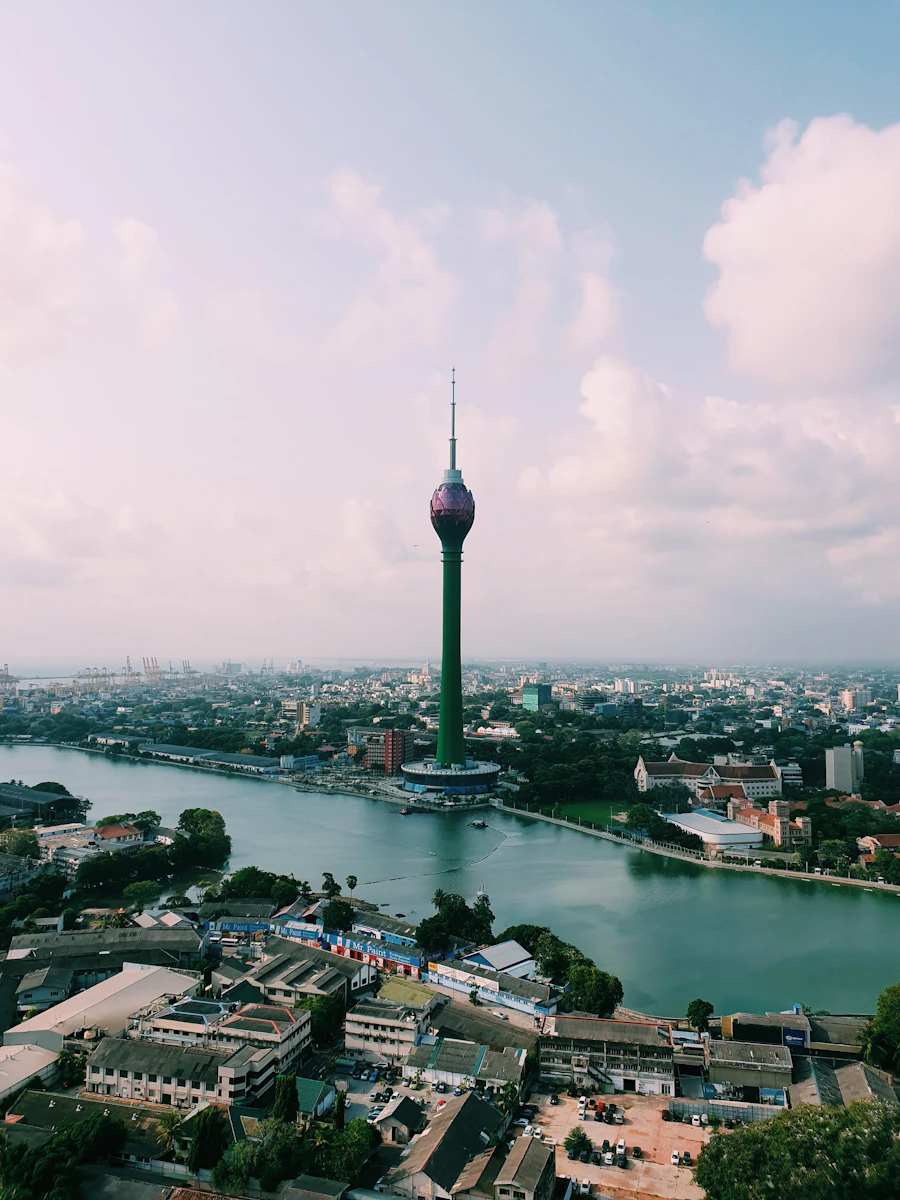
Where cargo lands
Main freight and distribution centres
Colombo
The commercial capital, the main port and the main airport, with almost all trade infrastructure concentrated here.
Katunayake
The airport area and its export processing zone, central to the apparel industry.
Hambantota
Southern deepwater port with an industrial zone developing around it.
Kandy and the central region
Inland market and manufacturing, served by road from Colombo.
Sea freight
Ports of entry and what they mean for your cargo
Colombo
The main port and one of the busiest transhipment hubs in South Asia, with frequent services from every Asian origin.
Hambantota
Deepwater port in the south, used for transhipment, vehicles and industrial cargo.
Galle and Trincomalee
Smaller ports handling regional and specialised cargo.
Colombo transhipment role means excellent service frequency and short transits from Asia, which is a genuine advantage for a market of this size.
Because so much cargo is passing through, it is worth being clear whether a shipment is entering Sri Lanka or being relayed onward, since the documentation and treatment differ entirely.
Colombo also serves as the practical gateway for the Maldives and for parts of southern India, which is relevant for regional distribution planning.
Air freight
Airports and when air is the right answer
Colombo Bandaranaike (CMB)
The main air cargo gateway with full customs facilities and reasonable connectivity from Asia.
Mattala (HRI)
Southern airport with cargo capability, lightly used.
Air freight is used mainly by the apparel industry for urgent inputs and outputs, where a production deadline justifies the cost.
Capacity from Asia into Colombo is adequate rather than abundant, so urgent shipments should be booked rather than assumed.
Indicative transit times
How long the movement usually takes
- Sea FCL, South China to ColomboAround 10 to 18 days port to portFrequent services given the transhipment role.
- Sea LCL, South China to Sri LankaAround 18 to 28 days door to doorConsolidation and deconsolidation add time at both ends.
- Air freight, Hong Kong or South China to ColomboAround 3 to 7 days door to doorIncluding handling and clearance.
- Licensing and permit lead timeVerify before shippingWhere a control applies, it has to be resolved before the goods leave.
These ranges are indicative and exist to help you plan. Real transit time depends on the service, the season, the routing and the clearance itself, and we confirm it per shipment rather than publish it as a promise.
Customs
How clearance into Sri Lanka actually works
The competent authority is Sri Lanka Customs.
Import controls and licensing requirements have been used actively in recent years, and the list of affected goods has changed. The current position for the specific product should be verified before shipping, since this is the most likely reason an otherwise routine import fails.
Import taxes are layered, with customs duty, VAT at the prevailing rate and additional levies applying depending on the goods. The effective landed cost on consumer goods is considerably higher than the duty rate alone.
Duty suspension arrangements support the export manufacturing industry, allowing inputs to be imported without duty where the finished goods are exported. These operate under their own licensing and audit.
Sri Lanka has trade arrangements with several partners, and where preferential treatment applies, a valid certificate of origin is required to claim it.
A foreign company needs a local importer, since the declarant must be established in Sri Lanka.
Documentation
What you need to have ready
Commercial invoice
Value, terms and a clear description consistent with the transport document.
Packing list
Piece counts, weights and dimensions per package.
Bill of Lading or Air Waybill
The transport contract and the release instrument.
Import licence or control approval
Where the product category is subject to a control. Verify before shipping.
Certificate of origin
Where preferential treatment is claimed.
Importer registration
TIN and registration of the local importer of record.
Duty suspension documentation
For export oriented manufacturers importing inputs.
Product specific certificates
Health, standards or dangerous goods documentation as applicable.
Controlled and restricted goods
What gets stopped, and why
- Import licensing and restrictions have been applied to a range of goods, and the position changes. This is the first thing to check for any new product.
- Foreign exchange availability has affected import capacity at times, which is a commercial as well as a regulatory consideration.
- Food and pharmaceutical products require registration with the relevant authority.
- Standards certification applies to a range of regulated products.
- Used goods face restrictions in several categories.
- Wood packaging must comply with ISPM 15.
Working with Velonex
What clients usually bring us in for on this lane
- Verifying the current import control position by product before shipping, which in Sri Lanka is the single most consequential check.
- Supplying the apparel manufacturing industry with fabric, trim and machinery under duty suspension arrangements.
- Using Colombo deliberately as a transhipment point for regional distribution, including to the Maldives and southern India.
- Distinguishing clearly between cargo entering Sri Lanka and cargo relaying through it, since the two are entirely different movements.
- Urgent air shipments for production deadlines, where capacity is adequate but not abundant.
Get a quote
Tell us what needs to move to Sri Lanka
We listen before we quote. Share the cargo, the deadline and the constraint, and we will come back with a route that accounts for all three, the documents it will need and a timeline we can stand behind.
Your details
Includes your name, company name and email address
Shipment route
Includes your pickup location and destination
Cargo type
Includes the type of cargo you are shipping
Special requirements
Includes a short note about your challenge
Timeline
Includes your desired timeline
Your quote
A tailored response based on everything above

Corporate logistics partner
Trust, clarity and operational follow through for complex cargo.
Not ready for a quote? Email info@velonex-hk.com or message us on WhatsApp with the question and we will answer it.
Sources
Where this information comes from
- Sri Lanka Customs
- Sri Lanka Ports Authority
- Department of Import and Export Control
- Board of Investment of Sri Lanka
General guidance, last reviewed August 2026. Customs rules and product requirements change, and the treatment of any specific shipment depends on its classification, origin and value. Confirm the detail with us or with the authority before you commit to a movement.
More in this region
Other guides for Asia Pacific
- AustraliaSydney Opera House
- BangladeshRiver through Dhaka
- IndiaGateway of India, Mumbai
- IndonesiaSelamat Datang Monument, Jakarta
- JapanShibuya crossing, Tokyo
- MalaysiaPetronas Towers, Kuala Lumpur
- New ZealandAuckland skyline and harbour
- PhilippinesManila skyline
- SingaporeMarina Bay, Singapore
- South KoreaNamsan Tower, Seoul
- TaiwanTaipei 101
- ThailandTemples in Bangkok
- VietnamHo Chi Minh City skyline
See all 51 country guides, or tell us the destination you need and we will walk you through it.