
Shipping guide · Africa
Shipping from China and Hong Kong to Nigeria
Nigeria has a strict sequence, and it runs in one direction only. The Form M is opened through a bank before anything ships, SONCAP certification is obtained at origin before loading, and the assessment report is issued before arrival. Skipping a step cannot be corrected later.
- Customs authority
- Nigeria Customs Service
- First step
- Form M, filed through an authorised dealer bank before shipping
- Conformity
- SONCAP certification, obtained at origin before loading
- Pre arrival
- PAAR assessment report issued before the goods arrive
- Import VAT
- 7.5 percent, alongside duty and additional levies
- Main entry points
- Lekki, Apapa and Tin Can Island by sea, Lagos by air
The Form M is the import declaration filed through an authorised dealer bank, and it is the anchor of the whole transaction. It ties the shipment to the banking and foreign exchange system, and customs expects the shipping documents to correspond to it.
SONCAP is the conformity assessment programme. Regulated products must be certified at origin, before shipment, by an accredited body, and the resulting certificate is required for clearance. Goods that arrive without it face serious problems, including the possibility of being refused entry, and it cannot be arranged retroactively.
The port situation has changed with Lekki Deep Sea Port, which added modern deepwater capacity near Lagos. Apapa and Tin Can Island remain heavily congested with difficult road access, so for cargo where timing matters, the newer facility is a genuine alternative rather than a marginal one.
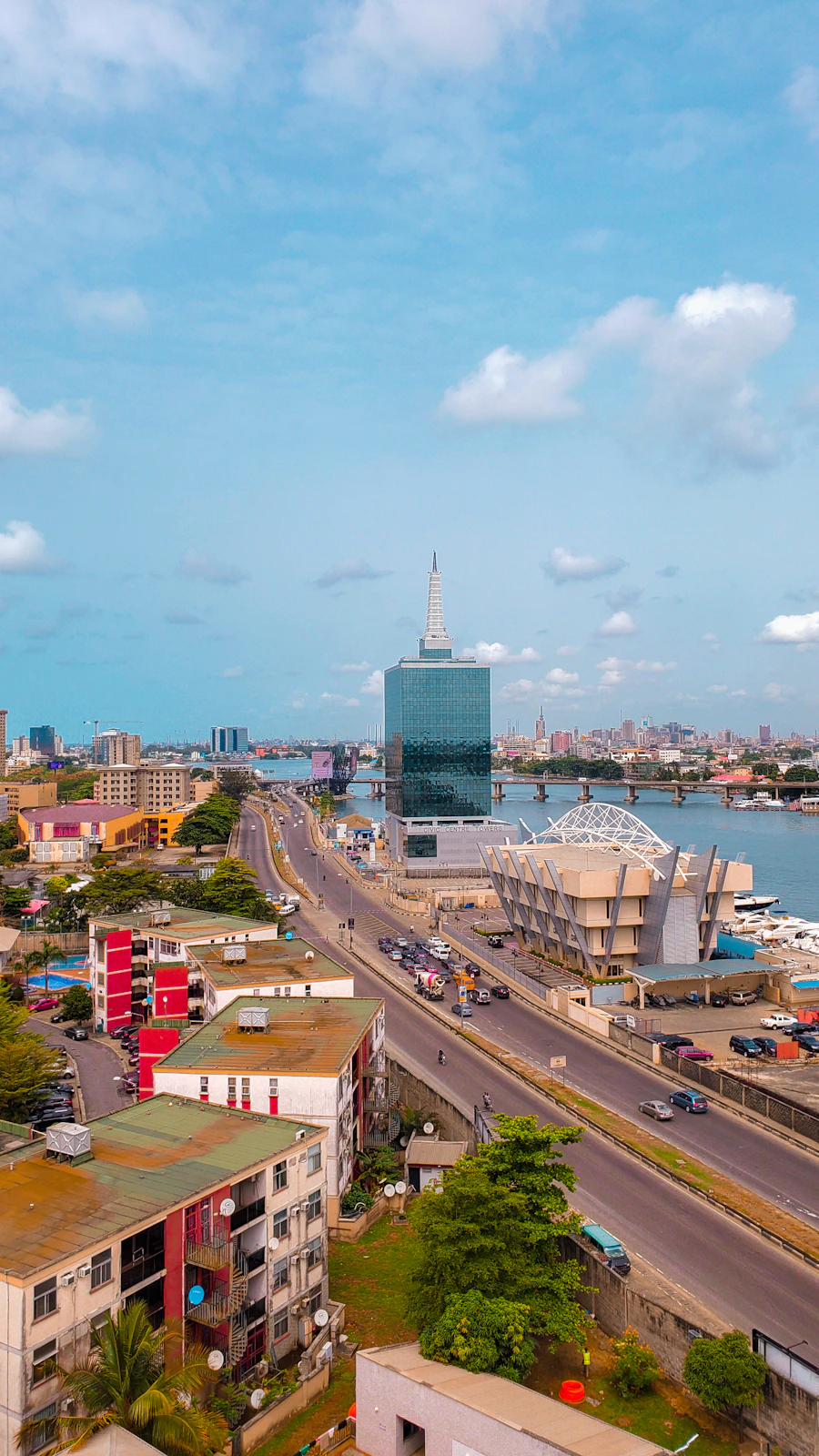
Where cargo lands
Main freight and distribution centres
Lagos
The commercial capital and the entry point for the large majority of imports, with the ports, the main airport and severe traffic congestion.
Abuja
The federal capital, served by road from Lagos and by its own airport.
Port Harcourt and Onne
The oil and gas region in the southeast, with its own ports serving the energy industry.
Kano
The northern commercial centre, a long inland leg from the coast.
Sea freight
Ports of entry and what they mean for your cargo
Lekki Deep Sea Port
Modern deepwater facility near Lagos, able to take larger vessels, with far better access than the older terminals.
Apapa and Tin Can Island
The historic Lagos ports, handling most traditional volume, with persistent congestion and difficult road access.
Onne and Port Harcourt
Eastern ports serving the oil and gas industry, with specialised handling for that sector.
Calabar and Warri
Smaller ports serving regional and industrial cargo.
Lagos road access is the practical bottleneck. Cargo can be discharged and still take a long time to reach a warehouse, which is why the newer deepwater facility with better access matters so much.
Deepwater capability also removes the need for transhipment on some services, shortening the routing for cargo that previously fed in from another West African port.
For the energy sector, the eastern ports have handling capability that the Lagos container terminals do not.
Air freight
Airports and when air is the right answer
Lagos Murtala Muhammed (LOS)
The main air cargo gateway with customs facilities, handling most urgent import traffic.
Abuja (ABV)
Serves the federal capital directly.
Port Harcourt (PHC)
Serves the oil and gas region, relevant for urgent equipment and spares.
Air freight from Asia arrives via a hub, usually in the Gulf or Europe, so transits are longer than for a direct market.
SONCAP and Form M requirements apply to air shipments exactly as to sea shipments, so speed of transport does not shorten the regulatory sequence.
Indicative transit times
How long the movement usually takes
- Sea FCL, South China to LagosAround 28 to 40 days port to portDirect calls at the deepwater facility, or transhipment for other terminals.
- Sea LCL, South China to NigeriaAround 38 to 52 days door to doorConsolidation, transhipment and port dwell all add time.
- Air freight, Hong Kong or South China to LagosAround 5 to 9 days door to doorVia a hub, including handling and clearance.
- Regulatory sequence before shippingAllow several weeksForm M and SONCAP both precede loading and cannot be done afterwards.
These ranges are indicative and exist to help you plan. Real transit time depends on the service, the season, the routing and the clearance itself, and we confirm it per shipment rather than publish it as a promise.
Customs
How clearance into Nigeria actually works
The competent authority is Nigeria Customs Service.
The Form M is filed through an authorised dealer bank before shipment and anchors the whole transaction to the banking and foreign exchange system. Shipping documents must correspond to it.
SONCAP certification is obtained at origin, before loading, from an accredited conformity body. Regulated goods arriving without it face refusal or severe penalties, and it cannot be obtained retroactively.
The PAAR, the pre arrival assessment report, is issued by customs based on the Form M and the supporting documents, and it determines the duty assessment. It is produced before arrival, which is why the documentation sequence matters so much.
Import taxes include duty based on classification, VAT at 7.5 percent and additional levies depending on the goods, so the effective landed cost is above the duty rate alone.
Foreign exchange access has been a recurring constraint for Nigerian importers, and it is a commercial consideration as much as a regulatory one. A foreign company will need a Nigerian importer, since the Form M is opened by a local entity through its bank.
Documentation
What you need to have ready
Form M
Filed through an authorised dealer bank before shipment. The anchor of the whole transaction.
SONCAP certificate
Conformity certification obtained at origin before loading, for regulated products.
PAAR
Pre arrival assessment report issued by customs, determining the duty assessment.
Commercial invoice
Must correspond to the Form M as well as to the goods.
Packing list
Piece counts, weights and dimensions per package.
Bill of Lading or Air Waybill
The transport contract and the release instrument.
Certificate of origin
Required, and used in the assessment process.
Product specific approvals
NAFDAC registration for food, drugs and cosmetics, and other sectoral approvals.
Controlled and restricted goods
What gets stopped, and why
- SONCAP covers a wide range of regulated products, and goods arriving without certification obtained at origin face refusal.
- Nigeria maintains an import prohibition list covering a range of goods, which is used as an industrial policy instrument and changes. It must be checked by product.
- Food, drugs, cosmetics and medical devices require NAFDAC registration, a lengthy process separate from customs.
- Foreign exchange availability affects the ability to complete transactions, and this is a practical constraint on importing.
- Used goods face restrictions in several categories.
- Wood packaging must comply with ISPM 15.
Working with Velonex
What clients usually bring us in for on this lane
- Running the regulatory sequence in the right order, since Form M and SONCAP both precede loading and neither can be fixed after the goods have sailed.
- Checking the import prohibition list by product before committing, because it changes and it is used as policy rather than as a static rule.
- Routing through the deepwater facility rather than the congested older terminals where the cargo and the schedule allow.
- Oil and gas equipment for the eastern ports, where specialised handling and urgent spares define the requirement.
- Working with a Nigerian importer who can actually complete the Form M and the foreign exchange side, which is as important as the freight itself.
Get a quote
Tell us what needs to move to Nigeria
We listen before we quote. Share the cargo, the deadline and the constraint, and we will come back with a route that accounts for all three, the documents it will need and a timeline we can stand behind.
Your details
Includes your name, company name and email address
Shipment route
Includes your pickup location and destination
Cargo type
Includes the type of cargo you are shipping
Special requirements
Includes a short note about your challenge
Timeline
Includes your desired timeline
Your quote
A tailored response based on everything above

Corporate logistics partner
Trust, clarity and operational follow through for complex cargo.
Not ready for a quote? Email info@velonex-hk.com or message us on WhatsApp with the question and we will answer it.
Sources
Where this information comes from
- Nigeria Customs Service
- Standards Organisation of Nigeria, SONCAP
- Central Bank of Nigeria, trade and exchange
- Nigerian Ports Authority
General guidance, last reviewed August 2026. Customs rules and product requirements change, and the treatment of any specific shipment depends on its classification, origin and value. Confirm the detail with us or with the authority before you commit to a movement.
More in this region
Other guides for Africa
See all 51 country guides, or tell us the destination you need and we will walk you through it.