
Shipping guide · Asia Pacific
Shipping from China and Hong Kong to the Philippines
Two things shape a Philippine import: the importer has to be accredited with the Bureau of Customs before it can clear anything, and Manila port congestion has to be planned around rather than hoped away.
- Customs authority
- Bureau of Customs, under the Department of Finance
- Key requirement
- Importer accreditation with the Bureau of Customs before clearing
- Import VAT
- 12 percent, one of the higher rates in the region
- Product control
- PS and ICC marks from the Bureau of Product Standards for regulated goods
- Operational note
- Manila congestion is structural. Subic and Batangas are real alternatives
- Main entry points
- Manila, Subic and Batangas by sea, Manila and Cebu by air
Accreditation is a registration process with the Bureau of Customs, tied to the company tax registration. It is not difficult in principle but it takes time, and without it the shipment cannot be entered. New importers regularly discover this after the cargo is already on the water.
Manila handles the large majority of the country container traffic and has a long history of congestion, driven by truck access restrictions in the city and limited yard capacity. Subic and Batangas exist as alternatives with better access, and for cargo that is not destined to central Manila they are worth serious consideration.
The Philippines is an archipelago with a heavily import dependent consumer market, and inter island distribution is its own exercise. Cargo for Cebu or Davao is usually better served by a direct call than by trucking and ferrying from Luzon.
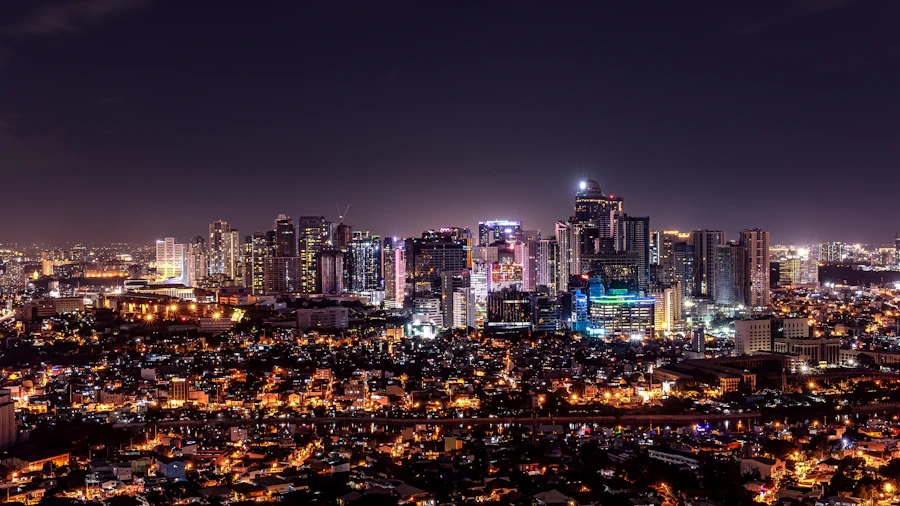
Where cargo lands
Main freight and distribution centres
Metro Manila
The dominant market and the main port and airport, with truck access restrictions that shape how cargo moves.
Calabarzon
The industrial region south of Manila, with many economic zones and manufacturing operations, served by Batangas.
Cebu
The central Visayas hub, with its own port and airport serving the middle of the archipelago.
Davao
The main southern city on Mindanao, with its own port and a distinct regional market.
Subic and Clark
Former military facilities converted into freeport zones, with good access and their own customs treatment.
Sea freight
Ports of entry and what they mean for your cargo
Manila (MICT and South Harbor)
The main container gateway, handling most national volume, and the source of most congestion related delay.
Subic Bay
Freeport with good road access north of Manila, an established alternative for cargo that does not need the city itself.
Batangas
Serves the Calabarzon industrial region directly, avoiding Manila traffic entirely for cargo destined south.
Cebu and Davao
Regional gateways serving the Visayas and Mindanao, usually a better choice than inter island transport from Luzon.
Manila truck access restrictions are the practical cause of much congestion. Cargo can be in the country and still take days to reach a warehouse a short distance away.
Batangas and Subic both have better road access than Manila. For industrial cargo in Calabarzon or north Luzon they frequently deliver faster despite the longer initial road distance.
For the Visayas and Mindanao, a direct call is almost always better than a Manila arrival plus domestic shipping.
Air freight
Airports and when air is the right answer
Manila Ninoy Aquino (MNL)
The main air cargo gateway with full customs facilities, and the same congestion pressures as the port.
Clark (CRK)
North of Manila with better access and growing cargo capability, inside a freeport zone.
Cebu (CEB) and Davao (DVO)
Regional gateways serving the central and southern islands directly.
Air freight from China into Manila is frequent and short, but the ground side carries the same congestion and access issues as sea cargo.
Clark is a genuine alternative for air cargo, with easier access and freeport treatment, and it is underused relative to its capability.
Indicative transit times
How long the movement usually takes
- Sea FCL, South China to ManilaAround 4 to 9 days port to portShort ocean leg. The variable is clearance and inland delivery, not the sailing.
- Sea LCL, South China to the PhilippinesAround 12 to 20 days door to doorConsolidation and deconsolidation add time at both ends.
- Air freight, Hong Kong or South China to ManilaAround 3 to 6 days door to doorFrequent services including handling and clearance.
- Inland delivery in Metro ManilaAdd 1 to 5 daysTruck access restrictions and congestion make this leg genuinely unpredictable.
These ranges are indicative and exist to help you plan. Real transit time depends on the service, the season, the routing and the clearance itself, and we confirm it per shipment rather than publish it as a promise.
Customs
How clearance into Philippines actually works
The competent authority is Bureau of Customs, Philippines.
Importer accreditation with the Bureau of Customs is required before a company can clear goods. It is tied to the tax registration and takes time, so it must be organised before shipping rather than in parallel.
VAT is 12 percent on imports, recoverable by registered businesses through their filings. Duty depends on classification, and the ASEAN China free trade agreement provides relief for Chinese origin goods with a valid Form E.
The Bureau of Product Standards administers the PS mark for locally certified products and the ICC mark for imported shipments of regulated goods. Where a product is covered, the certification is required for clearance.
Valuation is scrutinised, and undervaluation has historically been a focus of enforcement. Declared values that look inconsistent with the market invite examination.
Freeport zones at Subic and Clark have their own customs treatment, allowing goods to be held without full import, which is useful for regional distribution or staged market entry.
Documentation
What you need to have ready
Commercial invoice
Value, terms and a precise description consistent with the transport document.
Packing list
Piece counts, weights and dimensions per package.
Bill of Lading or Air Waybill
The transport contract and the release instrument.
Importer accreditation
With the Bureau of Customs, required before clearing.
Form E certificate of origin
For ASEAN China FTA duty relief on Chinese origin goods.
ICC certificate
For regulated imported products under the Bureau of Product Standards scheme.
Import permit or clearance
From the relevant regulatory agency where the product requires it.
Goods declaration
Filed electronically by the importer or its customs broker.
Controlled and restricted goods
What gets stopped, and why
- Regulated products require PS or ICC certification, covering electrical goods, construction materials and consumer items among others.
- Food, drugs, cosmetics and medical devices require FDA Philippines registration, separate from customs clearance.
- Used goods, particularly clothing and vehicles, face significant restrictions.
- Agricultural products face import permits and quota arrangements that are actively managed.
- Valuation and misdeclaration enforcement is active, with real consequences for inaccurate declarations.
- Wood packaging must comply with ISPM 15.
Working with Velonex
What clients usually bring us in for on this lane
- Getting importer accreditation in place before shipping, which is the most common avoidable failure on this lane.
- Routing through Batangas or Subic instead of Manila where the destination allows, avoiding congestion and truck access restrictions.
- Direct calls to Cebu or Davao for regional cargo, rather than a Manila arrival plus inter island shipping.
- Regulated consumer and electrical goods needing ICC certification, arranged before the goods arrive.
- Companies using the Subic or Clark freeport zones to stage stock without a full import commitment.
Get a quote
Tell us what needs to move to Philippines
We listen before we quote. Share the cargo, the deadline and the constraint, and we will come back with a route that accounts for all three, the documents it will need and a timeline we can stand behind.
Your details
Includes your name, company name and email address
Shipment route
Includes your pickup location and destination
Cargo type
Includes the type of cargo you are shipping
Special requirements
Includes a short note about your challenge
Timeline
Includes your desired timeline
Your quote
A tailored response based on everything above

Corporate logistics partner
Trust, clarity and operational follow through for complex cargo.
Not ready for a quote? Email info@velonex-hk.com or message us on WhatsApp with the question and we will answer it.
Sources
Where this information comes from
- Bureau of Customs Philippines
- Bureau of Product Standards, DTI
- Philippine Ports Authority
- FDA Philippines
General guidance, last reviewed August 2026. Customs rules and product requirements change, and the treatment of any specific shipment depends on its classification, origin and value. Confirm the detail with us or with the authority before you commit to a movement.
More in this region
Other guides for Asia Pacific
- AustraliaSydney Opera House
- BangladeshRiver through Dhaka
- IndiaGateway of India, Mumbai
- IndonesiaSelamat Datang Monument, Jakarta
- JapanShibuya crossing, Tokyo
- MalaysiaPetronas Towers, Kuala Lumpur
- New ZealandAuckland skyline and harbour
- SingaporeMarina Bay, Singapore
- South KoreaNamsan Tower, Seoul
- Sri LankaLotus Tower, Colombo
- TaiwanTaipei 101
- ThailandTemples in Bangkok
- VietnamHo Chi Minh City skyline
See all 51 country guides, or tell us the destination you need and we will walk you through it.