
Shipping guide · Europe
Shipping from China and Hong Kong to Portugal
Portugal is the westernmost entry point into the European Union, and that geography is the whole point: a vessel coming from Asia around the Strait of Gibraltar can discharge in Portugal before it ever reaches the congested northern European hubs.
- Customs union
- European Union, common tariff and common customs code
- Customs authority
- Autoridade Tributaria e Aduaneira (AT)
- Importer registration
- EORI number, plus a Portuguese NIF for a local importer
- Import VAT
- IVA, standard rate 23 percent on the mainland
- Autonomous regions
- Madeira and the Azores apply their own reduced VAT rates
- Main entry points
- Sines, Leixoes and Lisbon by sea, Lisbon and Porto by air
Sines changed the picture for Portugal. It is a deepwater Atlantic port able to take the largest container vessels, and it works as a transhipment platform as well as a national gateway, which means Asian services call there directly rather than feeding cargo down from Rotterdam or Antwerp.
For cargo that is actually staying in Portugal, the practical decision is north or south. Leixoes serves Porto and the industrial north, where most of the footwear, textile and furniture industry sits. Lisbon and Setubal serve the capital region and the centre. Trucking between the two ends of the country is cheap by European standards, but it is still a day that can be avoided by discharging in the right place.
The other thing to get right early is the autonomous regions. Madeira and the Azores are part of Portugal and part of the EU customs territory, but they apply their own reduced VAT rates and their own onward shipping legs, so a delivery there is not the same movement as a delivery to Lisbon.
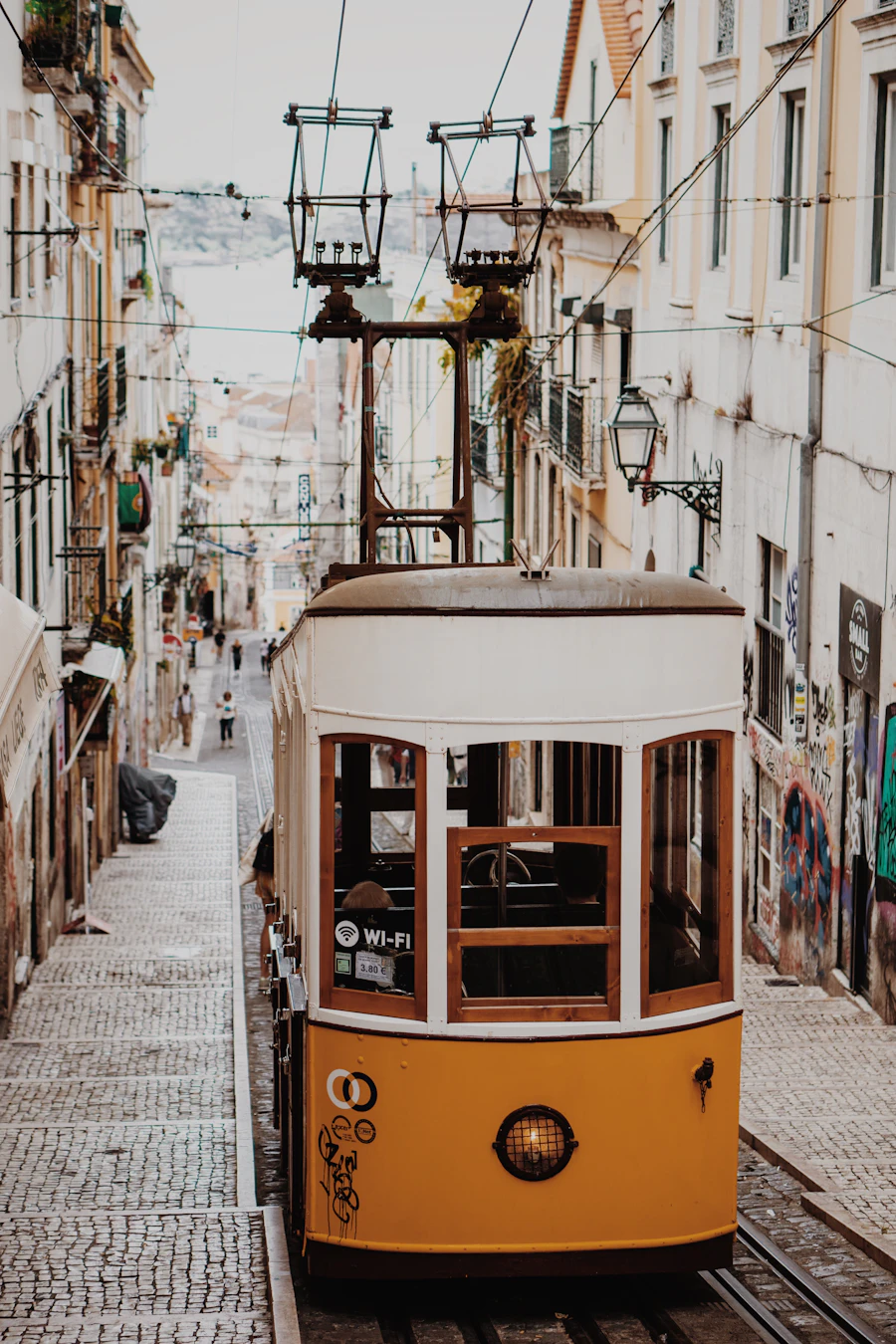
Where cargo lands
Main freight and distribution centres
Lisbon
The largest consumption market, the main air cargo gateway and the administrative centre where most customs brokerage sits.
Porto
The industrial north. Footwear, textiles, furniture and cork all concentrate around here, and Leixoes port is inside the metropolitan area.
Setubal
South of Lisbon, with a strong automotive and ro-ro profile and its own port for cargo that does not need Lisbon.
Aveiro and Leiria
The ceramics, moulds and plastics belt between Porto and Lisbon, a frequent destination for imported components and machinery.
Sea freight
Ports of entry and what they mean for your cargo
Sines
Deepwater Atlantic port that takes the largest vessels and receives direct Asian services. Best draft and best schedule reliability in the country, at the cost of a longer inland leg to either Lisbon or Porto.
Leixoes
The port for Porto and the industrial north. If the cargo is going north of Coimbra, this is almost always the right discharge point.
Lisbon
Central and convenient for the capital region, with good LCL deconsolidation options, though with less deepwater capacity than Sines.
Setubal
Specialised in ro-ro, vehicles and project cargo, and a practical alternative when Lisbon is congested.
Funchal and Ponta Delgada
Madeira and the Azores. Inside the EU customs territory but with their own VAT regime and an additional feeder leg from the mainland, so plan them as separate movements.
Portugal is often the first EU port of call on an Asia to Europe rotation. When a schedule is tight, discharging in Sines and trucking inland can beat waiting for the same vessel to reach a northern European hub.
LCL volumes into Portugal are smaller than into Spain, so consolidation frequency matters. Sometimes the sensible route is a consolidation into Valencia or Barcelona with a road leg into Portugal, and sometimes it is not. It is worth checking rather than assuming.
Air freight
Airports and when air is the right answer
Lisbon Humberto Delgado (LIS)
The main air cargo gateway with the widest connectivity and full customs facilities.
Porto Francisco Sa Carneiro (OPO)
Serves the northern industrial region directly, avoiding a road leg from Lisbon.
Faro (FAO)
Mostly passenger driven, occasionally useful for urgent cargo destined to the Algarve.
Most air freight from Asia into Portugal arrives on a one-stop routing through a larger European hub rather than on a direct service, which is why the realistic transit is a couple of days longer than into Frankfurt or Amsterdam.
For genuinely urgent cargo it is often faster to fly into Madrid and truck across than to wait for space on a Lisbon connection. That is a routing decision worth making deliberately.
Indicative transit times
How long the movement usually takes
- Sea FCL, South China to Sines or LisbonAround 26 to 34 days port to portPortugal being an early call on the European rotation can work in your favour here.
- Sea LCL, South China to PortugalAround 35 to 48 days door to doorDepends heavily on consolidation frequency, which is thinner than for Spain.
- Air freight, Hong Kong or South China to Lisbon or PortoAround 6 to 10 days door to doorUsually one stop via a larger European hub, including handling and clearance.
- Express or priority airAround 4 to 6 days door to doorFor deadline-driven cargo where the routing is chosen around the date, not the cost.
These ranges are indicative and exist to help you plan. Real transit time depends on the service, the season, the routing and the clearance itself, and we confirm it per shipment rather than publish it as a promise.
Customs
How clearance into Portugal actually works
The competent authority is Autoridade Tributaria e Aduaneira (AT), Portuguese Tax and Customs Authority.
Portugal applies the EU Common Customs Tariff, so the duty rate follows the HS classification of the goods and not any national decision. Classification is where the money is won or lost.
Import VAT is 23 percent on the mainland. Madeira and the Azores apply lower rates as autonomous regions, which is a genuine planning difference if the final delivery is on the islands rather than a rounding detail.
A company importing into Portugal needs an EORI number, and a Portuguese importer of record will also be operating under a NIF tax number. Companies with no EU entity need an Importer of Record arrangement or a fiscal representative set up in advance.
Portugal offers VAT deferment mechanisms that let a registered importer account for import VAT on the periodic return instead of paying it at the border. Whether that applies depends on the company status, and it is worth confirming before the first shipment because it changes the cash flow materially.
Documentation
What you need to have ready
Commercial invoice
Value, terms and goods description consistent with what is actually being shipped.
Packing list
Package level detail that matches the transport document exactly.
Bill of Lading or Air Waybill
The transport contract and the release instrument at destination.
EORI number
The EU wide operator identifier, needed before the first clearance.
Portuguese NIF
Tax identification for the local importer or the fiscal representative acting on its behalf.
Certificate of origin
Required to claim preferential duty where an agreement exists.
CE conformity documentation
For electronics, machinery, toys, lighting and construction products.
Phytosanitary or health certificates
For food, plants, wood and animal origin goods, with an approved border control post as the entry point.
Controlled and restricted goods
What gets stopped, and why
- Food, plants and animal origin products must enter through an approved border control post, which limits the realistic choice of port or airport.
- Textiles, footwear and toys can be selected for product safety and conformity checks before release, a relevant risk given how much of that industry sits in northern Portugal.
- Wood packaging must meet the ISPM 15 standard, checked routinely at Portuguese ports.
- Dual use goods, technology under export control and anything touching sanctions need licences and are verified seriously.
- Alcohol, tobacco and energy products fall under excise rules with their own procedures on top of customs.
Working with Velonex
What clients usually bring us in for on this lane
- Furniture, lighting and interiors for hotel, restaurant and retail openings in Lisbon and Porto, where the fit-out date is fixed.
- Components and machinery for the moulds, plastics and ceramics industry in the Aveiro and Leiria corridor.
- Cargo destined to Madeira or the Azores, where the mainland leg and the regional VAT regime need to be planned together rather than discovered on arrival.
- Importers weighing a direct Portuguese call against a Spanish port plus a road leg, where the right answer changes with the destination city.
Get a quote
Tell us what needs to move to Portugal
We listen before we quote. Share the cargo, the deadline and the constraint, and we will come back with a route that accounts for all three, the documents it will need and a timeline we can stand behind.
Your details
Includes your name, company name and email address
Shipment route
Includes your pickup location and destination
Cargo type
Includes the type of cargo you are shipping
Special requirements
Includes a short note about your challenge
Timeline
Includes your desired timeline
Your quote
A tailored response based on everything above

Corporate logistics partner
Trust, clarity and operational follow through for complex cargo.
Not ready for a quote? Email info@velonex-hk.com or message us on WhatsApp with the question and we will answer it.
Sources
Where this information comes from
- Autoridade Tributaria e Aduaneira
- European Commission, TARIC tariff database
- Port of Sines Authority
- Port of Leixoes, APDL
General guidance, last reviewed August 2026. Customs rules and product requirements change, and the treatment of any specific shipment depends on its classification, origin and value. Confirm the detail with us or with the authority before you commit to a movement.
More in this region
Other guides for Europe
- AustriaSt Stephen's Cathedral, Vienna
- BelgiumAntwerp from above
- CzechiaCharles Bridge and Prague Castle
- DenmarkNyhavn, Copenhagen
- FinlandHelsinki Cathedral and waterfront
- FranceEiffel Tower, Paris
- GermanyShip at Hamburg harbour
- GreeceAcropolis of Athens
- HungaryHungarian Parliament on the Danube
- IrelandDublin street
- ItalyColosseum, Rome
- NetherlandsRotterdam waterfront
- NorwayOslo waterfront
- PolandGdansk from above
- RomaniaPalace of the Parliament, Bucharest
- SpainTemple del Sagrat Cor on Tibidabo, Barcelona
- SwedenGamla Stan, Stockholm
- SwitzerlandZurich from above
- TürkiyeFerry on the Bosphorus, Istanbul
- United KingdomTower Bridge and the City, London
See all 51 country guides, or tell us the destination you need and we will walk you through it.