
Shipping guide · Africa
Shipping from China and Hong Kong to Morocco
Tanger Med is the largest port in Africa and the Mediterranean, sitting on the Strait of Gibraltar where the Asia to Europe shipping lane passes. That gives Morocco connectivity that no other African country has, and it is the reason the country works as a manufacturing and re-export base rather than only as a market.
- Customs authority
- Administration des Douanes et Impots Indirects (ADII)
- Port position
- Tanger Med, the largest port in Africa, on the Strait of Gibraltar
- Free zones
- Extensive, allowing storage, processing and re-export outside customs territory
- Import VAT
- TVA, standard rate 20 percent
- Trade agreements
- Association agreement with the EU, and an agreement with the United States
- Main entry points
- Tanger Med and Casablanca by sea, Casablanca by air
The port is paired with an extensive free zone system. Goods can be brought in, held, processed and re-exported without entering Moroccan customs territory, and the industrial zones around Tanger have attracted automotive, aerospace and textile manufacturing on a significant scale.
That structure is what makes Morocco interesting for a company shipping from Asia: it is close enough to Europe for road and short sea delivery within days, it has trade agreements with both the European Union and the United States, and it offers a lower cost manufacturing base with duty-free access to those markets.
For goods actually entering the Moroccan market, customs is reasonably efficient and largely digital, but product conformity requirements apply to a range of goods and need to be handled before arrival.
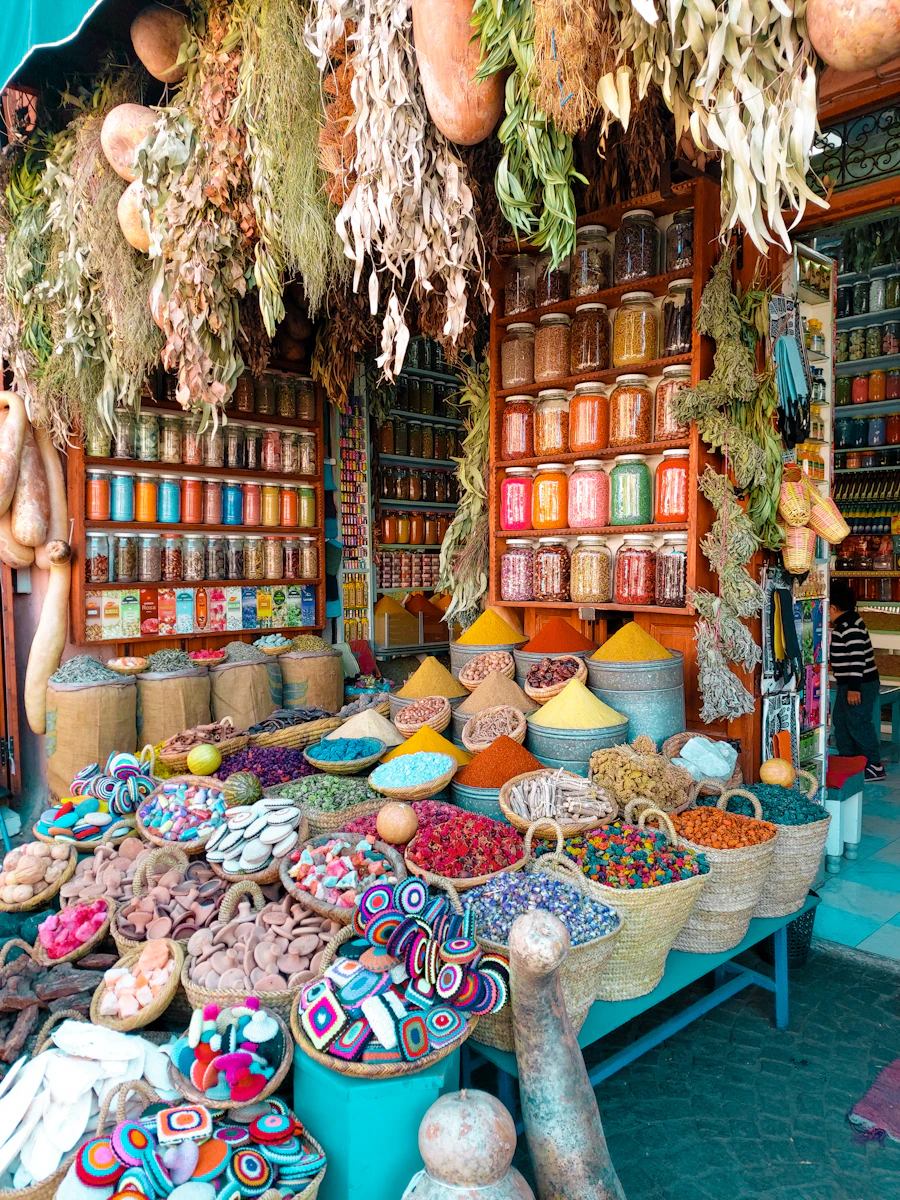
Where cargo lands
Main freight and distribution centres
Casablanca
The economic capital and largest market, with its own port and the main air cargo gateway.
Tangier
The northern gateway, with Tanger Med and the industrial free zones around it.
Kenitra
Automotive manufacturing hub with its own free zone, part of the industrial corridor along the Atlantic coast.
Marrakech and Agadir
Tourism and agricultural regions with their own import demand, particularly for hospitality projects.
Sea freight
Ports of entry and what they mean for your cargo
Tanger Med
The largest port in Africa and the Mediterranean, with major transhipment volumes and direct connections to Asian services passing through the strait.
Casablanca
The main port for the national market, serving the economic capital and the industrial region around it.
Agadir and Jorf Lasfar
Southern and industrial ports handling agricultural exports, bulk and project cargo.
Nador West Med
Developing port on the Mediterranean coast, adding capacity in the northeast.
Tanger Med sits directly on the Asia to Europe route, so calling there costs a vessel almost nothing in deviation. That is why service frequency is far better than the size of the Moroccan market would suggest.
For cargo destined to the Moroccan market rather than the free zones, Casablanca is usually the better arrival point because it is next to the demand.
Onward connectivity from Tanger Med into Europe by short sea and road is fast, which is what makes the free zone manufacturing model work.
Air freight
Airports and when air is the right answer
Casablanca Mohammed V (CMN)
The main air cargo gateway with full customs facilities and the widest connectivity.
Tangier (TNG)
Serves the northern industrial region directly.
Marrakech (RAK)
Relevant for hospitality and tourism related cargo.
Air freight from Asia arrives via a hub, usually in Europe or the Gulf, so the transit is longer than for a direct market.
For automotive and aerospace manufacturing, urgent air shipments are routine and the handling infrastructure at Casablanca supports them.
Indicative transit times
How long the movement usually takes
- Sea FCL, South China to Tanger MedAround 22 to 30 days port to portGood frequency given the port position on the main east west route.
- Sea FCL, South China to CasablancaAround 26 to 36 days port to portOften via a transhipment at Tanger Med or a European hub.
- Sea LCL, South China to MoroccoAround 32 to 45 days door to doorConsolidation and deconsolidation add time at both ends.
- Air freight, Hong Kong or South China to CasablancaAround 5 to 9 days door to doorVia a hub, including handling and clearance.
These ranges are indicative and exist to help you plan. Real transit time depends on the service, the season, the routing and the clearance itself, and we confirm it per shipment rather than publish it as a promise.
Customs
How clearance into Morocco actually works
The competent authority is Administration des Douanes et Impots Indirects (ADII).
Goods in a Moroccan free zone are outside the customs territory. No duty or VAT arises while they remain there, and goods re-exported from the zone never enter the Moroccan tax base at all.
For goods entering the domestic market, duty depends on classification and VAT is charged at 20 percent, recoverable by registered businesses.
Morocco has an association agreement with the European Union and an agreement with the United States, which is central to the manufacturing model: inputs from Asia, processing in Morocco, and preferential access to those markets on the finished goods.
Customs administration is largely digital and reasonably efficient, and the country has invested in trade facilitation as part of its industrial strategy.
A foreign company operating in a free zone can do so through a zone entity, which is a well-established route. Importing into the domestic market requires a local importer.
Documentation
What you need to have ready
Commercial invoice
Value, terms and a clear description consistent with the transport document.
Packing list
Piece counts, weights and dimensions per package.
Bill of Lading or Air Waybill
The transport contract and the release instrument.
Certificate of origin
Essential where the goods will later be re-exported under a preferential agreement.
Free zone documentation
Covers entry into, processing in and exit from the zone.
Import declaration
For goods entering the domestic market, filed through the customs system.
Conformity documentation
For regulated products subject to Moroccan technical requirements.
Arabic or French labelling
Required for consumer goods sold in the domestic market.
Controlled and restricted goods
What gets stopped, and why
- Product conformity requirements apply to a range of imported goods, and certification may be required before release.
- Textiles and clothing are sensitive given the domestic industry, and imports face scrutiny.
- Food and agricultural products require sanitary approval from the relevant authority.
- Labelling in Arabic or French is required for consumer products.
- Used goods face restrictions in several categories.
- Wood packaging must comply with ISPM 15.
Working with Velonex
What clients usually bring us in for on this lane
- Companies using Morocco as a manufacturing or processing base for the European and US markets, where the free zone regime and the origin rules have to work together to be worth anything.
- Components for the automotive and aerospace industries around Tangier and Kenitra, where schedule reliability supports a production line.
- Hospitality and retail fit-outs for Marrakech, Casablanca and the tourism regions, where opening dates are fixed.
- Deciding between Tanger Med and Casablanca on whether the cargo is entering the market or the free zone, since the answer changes the entire structure.
- Getting origin documentation right at every stage, because the whole value of the Moroccan model depends on preferential access downstream.
Get a quote
Tell us what needs to move to Morocco
We listen before we quote. Share the cargo, the deadline and the constraint, and we will come back with a route that accounts for all three, the documents it will need and a timeline we can stand behind.
Your details
Includes your name, company name and email address
Shipment route
Includes your pickup location and destination
Cargo type
Includes the type of cargo you are shipping
Special requirements
Includes a short note about your challenge
Timeline
Includes your desired timeline
Your quote
A tailored response based on everything above

Corporate logistics partner
Trust, clarity and operational follow through for complex cargo.
Not ready for a quote? Email info@velonex-hk.com or message us on WhatsApp with the question and we will answer it.
Sources
Where this information comes from
- Administration des Douanes et Impots Indirects
- Tanger Med Port Authority
- Moroccan Ministry of Industry and Trade
- Moroccan Investment and Export Development Agency
General guidance, last reviewed August 2026. Customs rules and product requirements change, and the treatment of any specific shipment depends on its classification, origin and value. Confirm the detail with us or with the authority before you commit to a movement.
More in this region
Other guides for Africa
See all 51 country guides, or tell us the destination you need and we will walk you through it.