
Shipping guide · Asia Pacific
Shipping from China and Hong Kong to Malaysia
Malaysia does not operate a VAT. It uses a sales and service tax instead, charged once at import or at the manufacturer rather than through a credit chain, which changes how an importer should think about landed cost.
- Customs authority
- Royal Malaysian Customs Department
- Tax system
- Sales and Service Tax, not a VAT. Import sales tax is often a cost, not a credit
- Trade agreement
- ASEAN China FTA, with Form E for duty relief
- Product control
- SIRIM certification for regulated electrical and consumer goods
- Free zones
- Widely used for manufacturing and regional distribution
- Main entry points
- Port Klang and Tanjung Pelepas by sea, Kuala Lumpur by air
Under a VAT system a registered business recovers the tax it pays at import. Under the Malaysian sales tax, the tax charged at import on taxable goods is generally a cost rather than a credit, unless an exemption applies. That makes exemptions, and the classification that determines whether goods are taxable at all, more consequential here than in a VAT country.
Port Klang serves the capital region and the industrial west coast, and Tanjung Pelepas in the south is a major transhipment hub next to Singapore. Both have excellent connectivity to China, and transits are short.
The ASEAN China free trade agreement applies, so a properly issued Form E delivers duty relief on Chinese origin goods. Product conformity for regulated categories runs through SIRIM, and where it applies it has to be arranged before import.
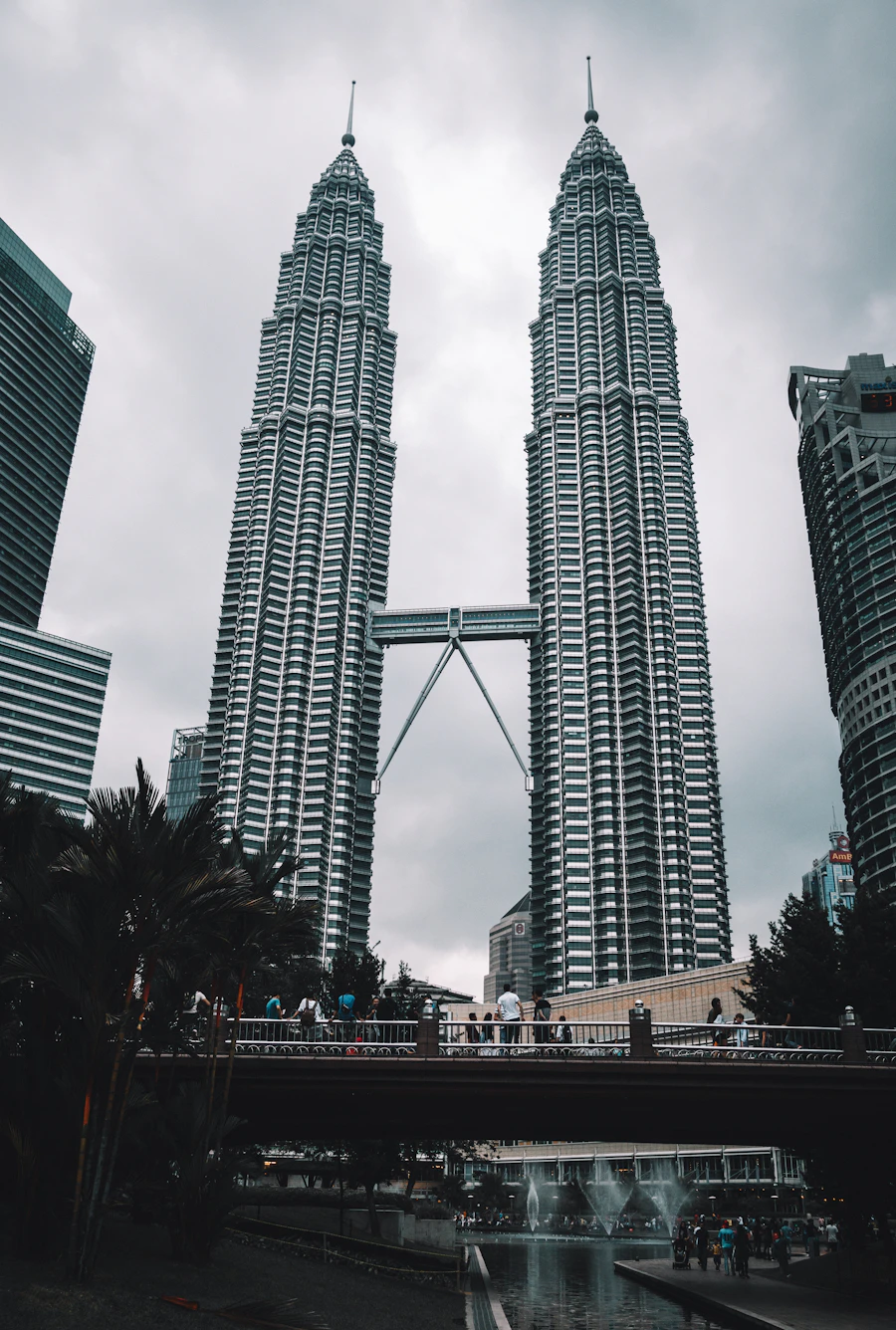
Where cargo lands
Main freight and distribution centres
Kuala Lumpur and Klang Valley
The dominant market and industrial region, served by Port Klang and the main airport.
Penang
The electronics and semiconductor cluster in the north, with its own port and airport and very high-value cargo flows.
Johor Bahru
The southern industrial region next to Singapore, served by Tanjung Pelepas and Pasir Gudang.
Kuching and Kota Kinabalu
East Malaysia on Borneo, served separately by sea and air, with its own logistics considerations.
Sea freight
Ports of entry and what they mean for your cargo
Port Klang
The main national port, serving the capital region and the industrial west coast, with strong connectivity to China.
Tanjung Pelepas
Major transhipment hub in the south, next to Singapore, handling large vessels and offering an alternative to the Singapore terminals.
Penang
Serves the northern electronics cluster directly, avoiding a long road leg from Klang.
Pasir Gudang and Kuantan
Industrial ports handling bulk, chemicals and project cargo.
Transits from South China are short and services are frequent to both Port Klang and Tanjung Pelepas.
For the Penang electronics cluster, landing cargo at Penang rather than Port Klang saves a substantial domestic leg for time sensitive components.
East Malaysia is a separate movement. Cargo for Sabah or Sarawak needs its own routing rather than being treated as a domestic extension of a peninsular import.
Air freight
Airports and when air is the right answer
Kuala Lumpur (KUL)
The main air cargo gateway with extensive direct capacity from Asia and full facilities.
Penang (PEN)
Serves the electronics and semiconductor cluster directly, with high-value cargo handling.
Kota Kinabalu (BKI) and Kuching (KCH)
East Malaysian gateways, relevant where the destination is on Borneo.
Penang air cargo is driven by the semiconductor industry, and handling standards there reflect that. For sensitive electronics it is a better destination than routing through Kuala Lumpur.
Air freight from China is frequent and short, so urgent cargo is well served across the peninsula.
Indicative transit times
How long the movement usually takes
- Sea FCL, South China to Port KlangAround 5 to 10 days port to portFrequent services and short transits.
- Sea LCL, South China to MalaysiaAround 12 to 18 days door to doorConsolidation adds most of the time.
- Air freight, Hong Kong or South China to Kuala Lumpur or PenangAround 2 to 5 days door to doorFrequent direct services including handling and clearance.
- Onward to East MalaysiaAdd 3 to 8 daysA separate sea or air leg to Sabah or Sarawak.
These ranges are indicative and exist to help you plan. Real transit time depends on the service, the season, the routing and the clearance itself, and we confirm it per shipment rather than publish it as a promise.
Customs
How clearance into Malaysia actually works
The competent authority is Royal Malaysian Customs Department.
Malaysia uses a sales and service tax rather than a VAT. Sales tax on taxable imported goods is generally a cost rather than a recoverable credit, so whether goods are taxable, and whether an exemption applies, matters more to the landed cost calculation than it would in a VAT jurisdiction.
The ASEAN China free trade agreement provides duty relief on Chinese origin goods with a valid Form E certificate of origin. As elsewhere in ASEAN, the certificate must be consistent with the commercial documents.
SIRIM certification applies to regulated products, including many electrical and electronic goods. Where required, it has to be obtained before import.
Free zones and licensed manufacturing warehouses are widely used, allowing goods to be held or processed without duty and tax becoming payable until they enter the domestic market. For manufacturing and regional distribution this is a significant structural advantage.
A foreign company without a Malaysian entity needs a local importer, since the declarant must be established in Malaysia.
Documentation
What you need to have ready
Commercial invoice
Value, terms and a precise description consistent with the Form E where a preference is claimed.
Packing list
Piece counts, weights and dimensions per package.
Bill of Lading or Air Waybill
The transport contract and the release instrument.
Form E certificate of origin
For ASEAN China FTA duty relief.
Customs declaration
Filed electronically by the importer or its customs agent.
SIRIM certification
For regulated electrical and consumer products.
Import permit
Where the product category requires one from the relevant ministry.
Halal certification
For food and certain consumer products intended for the Muslim market.
Controlled and restricted goods
What gets stopped, and why
- SIRIM certification is required for regulated electrical and electronic goods before import.
- Halal requirements apply to food and some consumer products, and are commercially decisive in this market even where not strictly mandatory.
- Food, pharmaceuticals and cosmetics require registration with the relevant authority separately from customs.
- Certain goods require import permits from the responsible ministry, and the list is broader than many importers expect.
- Materials offensive to religious or cultural sensitivities are prohibited and this is enforced.
- Wood packaging must comply with ISPM 15.
Working with Velonex
What clients usually bring us in for on this lane
- Understanding the sales tax position properly, since unlike a VAT it usually cannot be recovered and therefore belongs in the landed cost from the start.
- Electronics and semiconductor components for the Penang cluster, landed at Penang rather than trucked from Klang.
- Companies using free zones or licensed warehouses for regional distribution, deferring tax until goods actually enter the market.
- Regulated electrical goods needing SIRIM certification, organised before shipping.
- Cargo for East Malaysia, which needs planning as its own movement rather than as an extension of a peninsular delivery.
Get a quote
Tell us what needs to move to Malaysia
We listen before we quote. Share the cargo, the deadline and the constraint, and we will come back with a route that accounts for all three, the documents it will need and a timeline we can stand behind.
Your details
Includes your name, company name and email address
Shipment route
Includes your pickup location and destination
Cargo type
Includes the type of cargo you are shipping
Special requirements
Includes a short note about your challenge
Timeline
Includes your desired timeline
Your quote
A tailored response based on everything above

Corporate logistics partner
Trust, clarity and operational follow through for complex cargo.
Not ready for a quote? Email info@velonex-hk.com or message us on WhatsApp with the question and we will answer it.
Sources
Where this information comes from
- Royal Malaysian Customs Department
- SIRIM QAS International
- MITI, Ministry of Investment, Trade and Industry
- Port Klang Authority
General guidance, last reviewed August 2026. Customs rules and product requirements change, and the treatment of any specific shipment depends on its classification, origin and value. Confirm the detail with us or with the authority before you commit to a movement.
More in this region
Other guides for Asia Pacific
- AustraliaSydney Opera House
- BangladeshRiver through Dhaka
- IndiaGateway of India, Mumbai
- IndonesiaSelamat Datang Monument, Jakarta
- JapanShibuya crossing, Tokyo
- New ZealandAuckland skyline and harbour
- PhilippinesManila skyline
- SingaporeMarina Bay, Singapore
- South KoreaNamsan Tower, Seoul
- Sri LankaLotus Tower, Colombo
- TaiwanTaipei 101
- ThailandTemples in Bangkok
- VietnamHo Chi Minh City skyline
See all 51 country guides, or tell us the destination you need and we will walk you through it.